
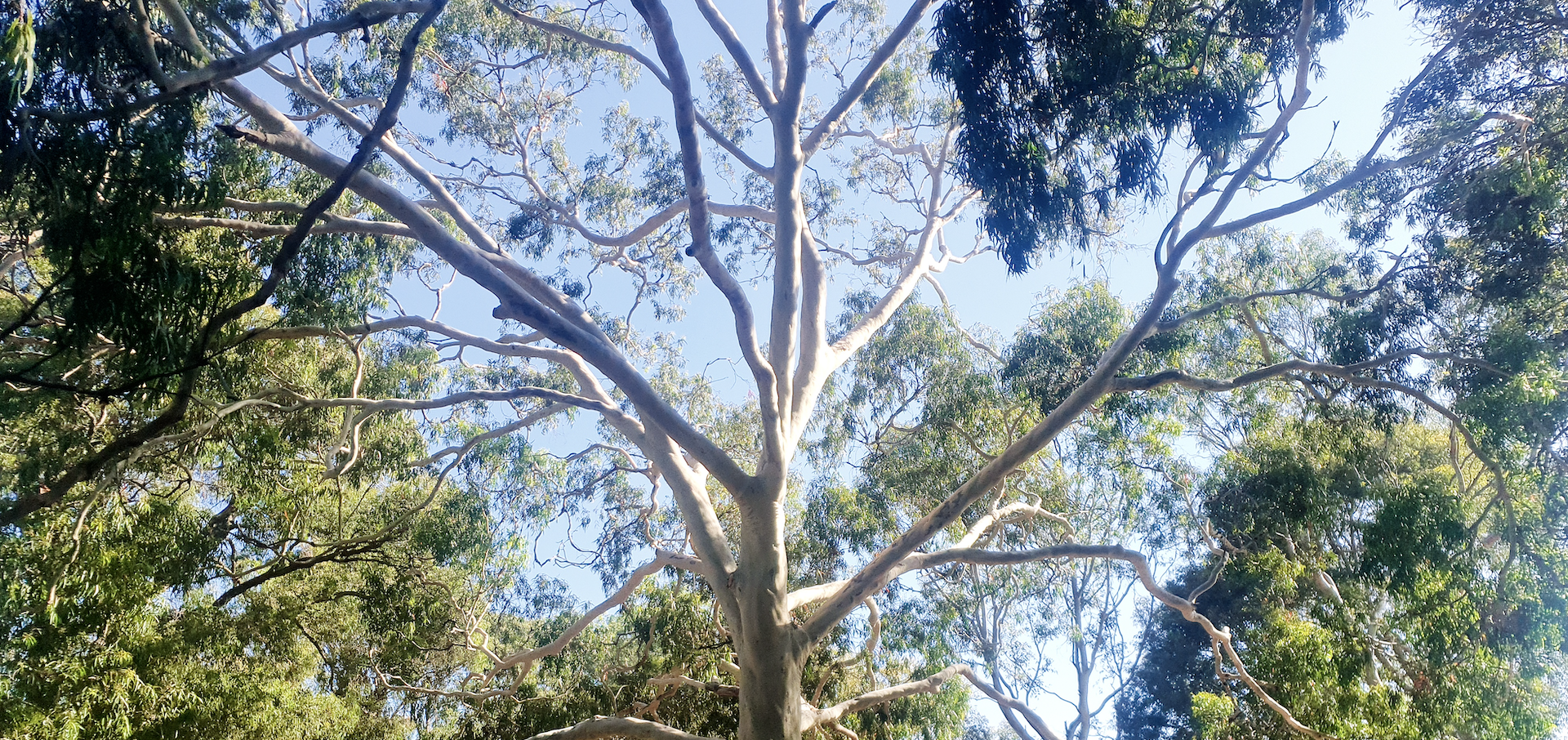
I am feeling tired this morning and giving myself the space to rest and linger in bed. It’s a cooler morning and the birds are too taking longer to wake up. After a while, the clouds dissolve and the melodic chirping begins: red wattlebirds, rainbow lorikeets and finally, my dear currawongs. Leaves, gently swaying in the breeze, flicker in delight. A moment that stretches time and fills your heart with sunlight.
Suddenly, I hear the call of a bird I cannot name. A new neighbour, perhaps?
This “new” bird gets me thinking about the beauty and tension in living ecosystems. There’s an emerging “growing capability” pattern I’ve been noticing across community networks and I am curious about how to balance the value and power held in relationships with the need for transparency, openness and sharing competence.
How much does a network need a map (a tool) vs. a guide (a human) to help navigate the terrain and grow the ability to respond to a challenge?
I don’t know what the right balance is, but for equity, efficiency and life-affirming reasons, I’d say the network needs both. And also curated spaces to grow relationships and knowledge.
Humans forming a network have unique and collective sets of experiences, capabilities and competences. Some have needs. Some have the competence to support a given need. Very often, this match-making knowledge is held through relationships. “I know someone with this skill who might be able to help you with this need. Let me connect you two.”
If you are a network node holding many relationships, you have the power to help someone with their need by brokering the connection. Yet there is also the risk that you are unintentionally contributing to concentrating power in the same hands. Because you don’t have a good map that can help you be a better guide.
‘How is that related to the “new” bird?’, you ask. Well, the bird is only “new” to me, to my growing yet limited knowledge of bird calls. Someone else – a twitcher – can probably recognise the song. BirdLife or Merlin might help me identify the bird… And I can keep on growing my knowledge and relationships by asking questions and regularly joining the local bird Friends of groups.
So, what’s the equivalent for community networks?
A combination of open human guides, maps and facilitated opportunities to nurture connection and shared competence.
Now an issue that is very alive in many of our explorations is how to find an open yet standardised enough language or approach that bridges across the multitude of ways people across disciplines and sectors recognise and communicate their set of competence?! Relational infrastructure, as well as capability frameworks, informed and enriched by the texture and realities of the local context, can provide a pathway forward…
This is very much work in progress and I would love to learn with you how to do this well! So, if you have insights or are also trying to figure it out, please reach out!