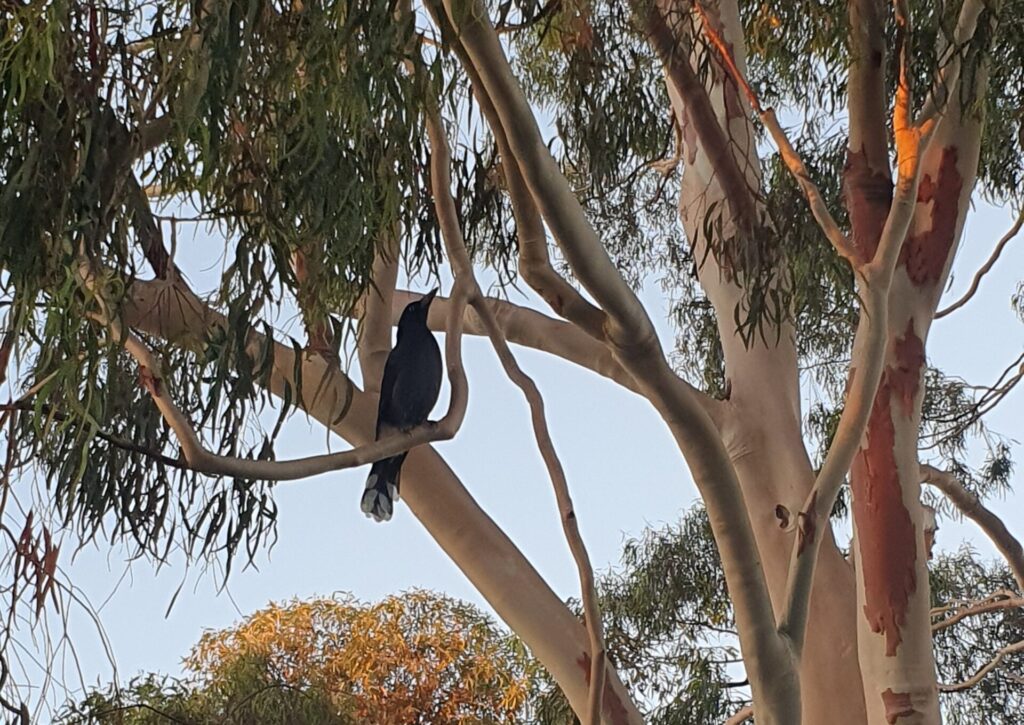
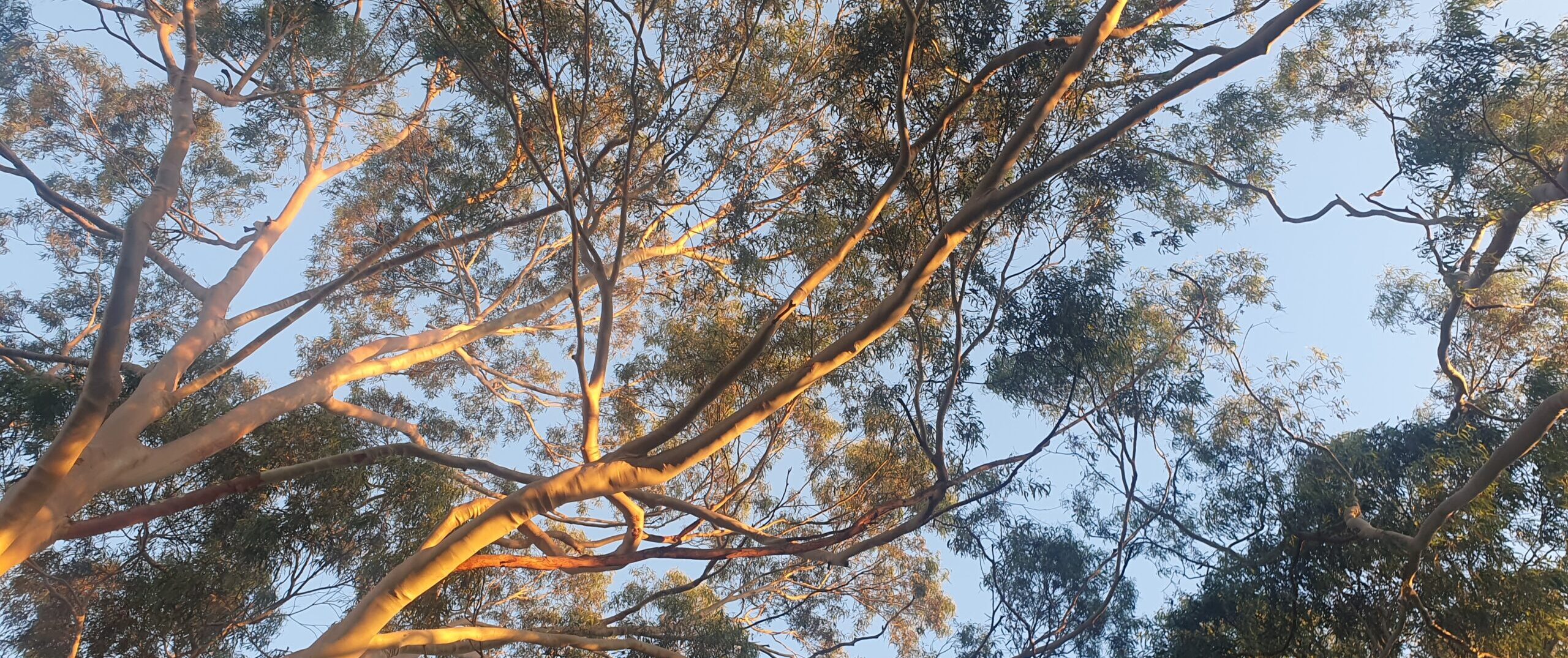
A few kind humans spent last Saturday morning forest bathing, guided by the gentle Arya Padey. Most of us were looking to slow down, connect with nature (out and within) and for an embodied experience.
As I was trying to collect my reflections, rocked by the soothing sway of the train taking me home on Saturday, I felt both tired and relaxed. The desire for a nap was strong and I decided, in the spirit of the morning’s intention, to give into my body and close my eyes for a few moments.
Sensing
Once at home and my body rested, I pursued my written metabolisation, learning about what I had experienced in the process of writing.
Forest bathing reminded me that for some of us who spend much time inside our minds, it can feel challenging to be allowed to listen to what our body tells us. And like many things, practice helps.
Out in the forest, we were invited to spend time tuning in with our senses and listening to what they might reveal. For me, the two senses that felt the most present that morning were that of hearing and that of touch. I felt acutely aware of the layers of sound in the forest, as well as the temperature differential on the surface of my skin, between where the sun rays were shining and where the shade had kept my skin cool. Having entered the forest bathing experience with the intention to be unusually present in my body, I got very curious about the interplay between sound and touch, and in particular, where sounds were resonating in or waking up certain parts of my body.
At this stage, depending on which side of the spectrum you’re joining from, if you’re the kind of person who mostly lives inside their heads, you’re likely thinking ‘what is this weirdo talking about?’, and on the opposite side, if you’re the queen of embodiment and all of this happens very naturally for you, you might also wonder about the same question. For the in-betweeners among us, we shall carry on. Warning you, there will be bird-talk!
Bird-patterning
Because of course, throughout the invitations, I listened to the forest and every time, I heard birds. I heard birds and noticed where in my body I could feel their song – which was a first for me on my friendship journey with birds. It suddenly sunk in that when we listen to birds… Place is speaking and we are listening.
I see birds as great teachers, for they often help bring something to my attention in a way that intensely drops me into the present moment, with a peculiar quality of clarity. They somehow help cut through the noise, without any words. To be clear, their insights are rarely actually about birds and are very often human metaphors. And that morning, I first heard cockatoos, then butcher birds, and finally currawongs. By the end of the morning and in time for the concluding reflections, the bird patterning had shaped up in my mind-body and sparked insights into human language, behaviour and the dynamic experience of reality.
One of the things that I am learning with birds is how we experience the difference between judgement and discernment. When we judge, there’s a certain ego and power-centredness which carries a desire to determine what is good or bad. When we discern, we perceive with clarity and that exercise is somewhat neutral. In observing my growing non-judgemental relationship with birds, I am finding more kindness and compassion for humans (myself included).
Bird-insights
So, what are the birds revealing about us humans?
- Cockatoos (Ngayuk in the Wurundjeri Woi-wurrung language)
Cockatoos have an abrasive call which can really get under my skin and make me feel uncomfortable and unsettled – unless I am in an extremely calm state myself. It can be hard to go past the irritation and see their magnificence for what it is. So, I wonder about the different kinds of conversactions (this is where action meets conversation) that could emerge if a) cockatoo humans could be aware of, and dial down, their cockatoo-ness and b) non-cockatoo humans could change the quality of their listening in the presence of cockatoo humans…
- Butcher birds (Wagarra in the Wurundjeri Woi-wurrung language)
Butcher birds are melodious birds, symbols of power and resilience. Their song is very attractive, yet they are also known for impaling their prey onto twigs for storage. That’s not an optimal behaviour to grow trust around butcher birds. Yet, if we discern reality for what it is rather than our own projections, we can remember that love and suffering are very close neighbours, and that this behaviour isn’t inherently good or bad, it really is just what it is. It reminds me of the light and shadow side to power, and although this paradox creates a clenching in my gut in the presence of butcher birds, I hold the tension and wonder how it may be transformed into a form of kind and productive friction.
- Currawongs
Currawong songs fly straight into my heart, instantaneously creating a state of harmonious resonance that wraps my heart in softness. The way that I have come to articulate this is that hearing currawongs sing seems to activate my inner higher power Self and all its 8 C qualities (IFS – calmness, curiosity, clarity, compassion, confidence, courage, creativity, and connectedness). Yes, I am aware of how weird this will sound, but I am learning to let the weirdo-bird out of the cage more and more, because she is fabulously kind, caring and funny. When I hear currawongs, my body relaxes and my heart is able to open to the unknown which feels like an opportunity to learn and transform. Somehow, when in that state of mind, paradox and contradiction and doubt can arise and I can receive them with a smile of clarity and confidence. I love when I meet a human currawong and their song cradles me into a flow of soothing calm when discernment comes naturally.
Grounding this human-bird metaphor
‘What does this mean in practice’, you ask?
Perhaps the invitation here is: when you’re next in a conversation, observe your reaction to the way people speak in the room.
If you’re feeling irritated by an abrasive cockatoo language, see whether you can find your curious Self and listen again with more openness (lean into your 8 C qualities).
If you’re feeling unsettled by a butcher bird behaviour, see if you can find your own compassionate and courageous power and let that guide you.
If you’re currawong-ing and already listening with open-heartedness, see where it moves and how it shapes the conversation.
Now of course, remember there are instances when you might be the cockatoo or the butcher bird in the room – or an entirely different bird altogether – and be aware of how it affects the dynamics of the conversation and your perception of reality.
There is beauty (and shadow sides) in the diversity of bird-ing and human-ing, as long as we are aware of what we all bring into a room, get better at seeing reality for what it is, and let ourselves fly.